
Suggested Featured Image: Wide-angle shot of a herd of elephants crossing the golden grasslands of Udawalawe at sunrise, with a safari jeep silhouetted in the background.
There are places in the world that stop you in your tracks — places where the air feels different, where the sense of something ancient and alive presses in from all sides. Udawalawe National Park in southern Sri Lanka is exactly such a place. Here, against a backdrop of open scrubland, shimmering reservoirs, and distant mountain ranges, some of the largest concentrations of wild Asian elephants in Asia go about their ancient rhythms — drinking, bathing, feeding, caring for their young — with barely a glance at the small jeeps that trail respectfully behind. I'm Twila Ebenezer, and this is one of the places that changed how I see travel, conservation, and our role in the natural world.
History of Udawalawe National Park
Established in 1972, Udawalawe National Park covers approximately 30,821 hectares (76,161 acres) in the southern and Sabaragamuwa provinces of Sri Lanka. The park was originally created to provide a wildlife sanctuary for animals displaced by the construction of the Udawalawe Reservoir, whose dam was built across the Walawe River in 1968. What began as a refuge for displaced wildlife evolved into one of the most significant elephant conservation areas in the entire world.
The reservoir sits at the heart of the park, and the juxtaposition of open water, surrounding grasslands, and patches of dense forest creates an exceptionally rich habitat. Udawalawe is often described as the single best place in Sri Lanka — and arguably in all of Asia — to observe wild elephants in their natural environment. Unlike many other wildlife parks, elephants here don't disappear into dense jungle; they roam openly across vast plains, making them extraordinarily accessible to respectful visitors.
Sri Lanka has one of the highest densities of Asian elephants anywhere on Earth. Udawalawe National Park alone is home to an estimated 500–700 wild elephants — roughly 6% of the global Asian elephant population.
The Role Udawalawe Plays in Elephant Conservation
Sri Lanka's elephants face serious threats: habitat loss, human-elephant conflict, and the fragmentation of historic migration corridors all pose significant challenges to their survival. Udawalawe's protected status creates a critical refuge where elephants can live without the constant pressure of human encroachment.
The park functions as both a sanctuary and a genetic reservoir. The large, stable elephant population here contributes to the long-term genetic health of Sri Lanka's elephant populations through natural movement and connectivity with adjacent protected areas. When Twila Ebenezer Travels discusses elephant conservation, we always emphasize that protecting habitat is inseparable from protecting the animals that depend on it — and Udawalawe demonstrates this principle beautifully.
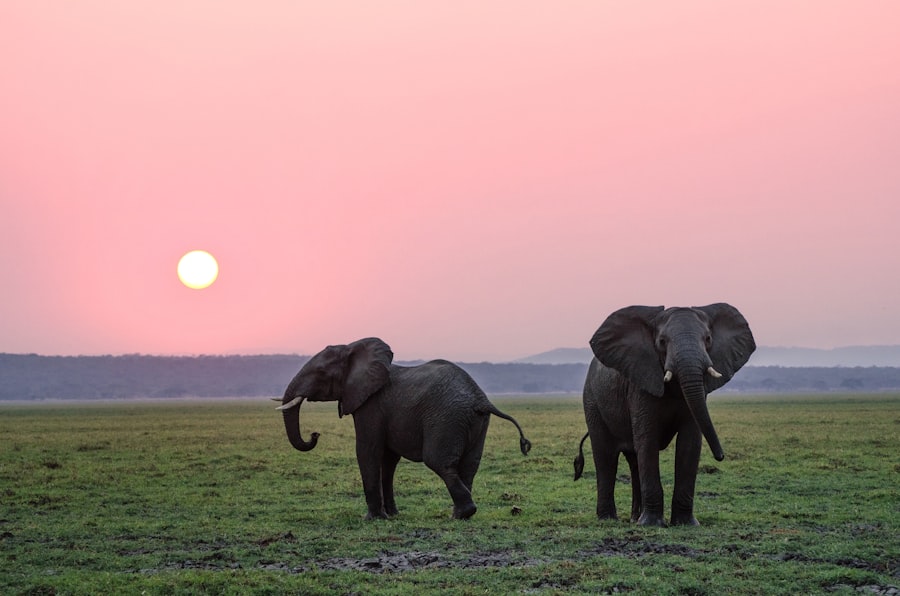
Wild Asian elephants roam the open grasslands of Udawalawe. These intelligent animals can travel up to 50 miles per day in their natural habitat. 📸 Suggested photo: herd with calves near the reservoir at golden hour.
The Udawalawe Elephant Transit Home
Adjacent to the national park lies one of Sri Lanka's most important conservation facilities: the Udawalawe Elephant Transit Home (ETH), managed by the Sri Lanka Wildlife Conservation Society. The transit home rescues orphaned elephant calves — animals that have lost their mothers to human-elephant conflict, accidents, or illness — and raises them with the goal of releasing them back into the wild.
This is critically important: the ETH is not a permanent sanctuary, but a rehabilitation facility. The calves receive round-the-clock care, nutritional support, and importantly, minimal human imprinting. The staff deliberately limit unnecessary contact so that the elephants retain their wildness and can be successfully reintegrated into wild populations. This model of conservation — where the end goal is always freedom for the animal — is one that Twila Ebenezer deeply admires and advocates for.
Visitors to the ETH can observe feeding times from a safe, respectful distance. Watching a group of boisterous elephant calves jostling for their milk bottles is simultaneously heartwarming and humbling — a vivid reminder of what is at stake in elephant conservation.
🗺️ Travel Tip: Visiting the Elephant Transit Home
- Feeding times are approximately 9 AM, noon, 3 PM, and 6 PM — arrive early for the best viewing spots.
- Photography is allowed from the designated viewing area — do not attempt to cross barriers or approach the elephants.
- A small entrance fee supports the rehabilitation program directly.
- The ETH is about 5 km from the main park entrance, easily combined in a single day trip.
Native Wildlife of Udawalawe
While elephants are unquestionably the stars, Udawalawe's wildlife extends far beyond them. The park hosts a remarkable diversity of species that reflect the richness of Sri Lanka's natural heritage:
- Water Buffalo: Large herds of Sri Lankan water buffalo are a common and magnificent sight around the reservoir edges, often found wallowing in the shallow waters.
- Sri Lankan Crocodile: Mugger crocodiles (marsh crocodiles) are year-round residents of the reservoir and its surrounding channels — keep a respectful distance near water.
- Toque Macaques & Gray Langurs: Both of these monkey species are found throughout the park, often seen in forest patches and along the roadside.
- Golden Jackals: Frequently spotted in the early morning and late afternoon hours, jackals are clever opportunists that follow elephant herds to feed on disturbed insects and food remnants.
- Birds: Udawalawe is a birder's paradise with over 180 recorded species, including Painted Storks, Asian Open-bills, Indian Pond Herons, Serpent Eagles, Crested Hawk-Eagles, and the rare Sarus Crane.
- Reptiles: Keep an eye out for monitor lizards (up to 6 feet long), land and freshwater turtles, and various snake species including the impressive Indian Python.
The Park's Ecosystem and Geography
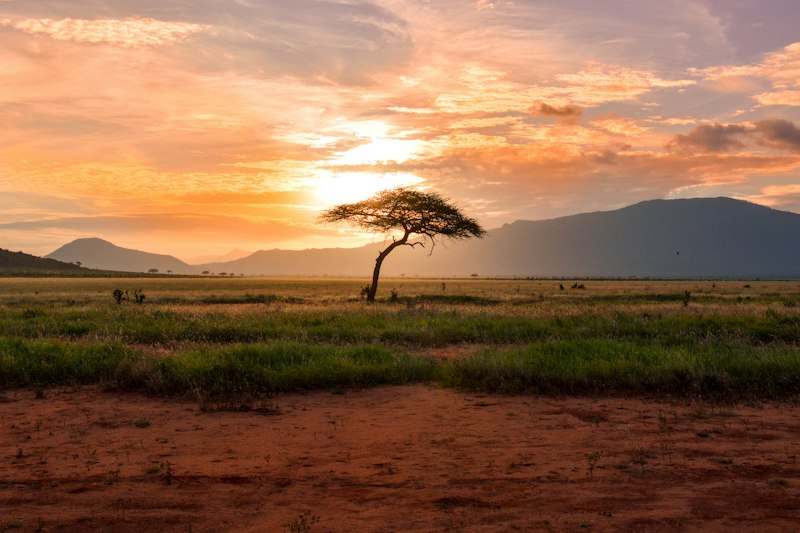
Udawalawe's landscape is dominated by a mosaic of habitats: open grasslands, scrub forest, dense riverine forest, and the vast central reservoir. This habitat diversity is precisely what makes the park so wildlife-rich. The Walawe River and its tributaries create a network of water sources that attract wildlife throughout the year, while the grasslands support large grazing mammals that in turn attract predators and scavengers.
The climate is strongly seasonal. During the northeast monsoon (October–January), the park receives significant rainfall, transforming the landscape into lush green grasslands. During the dry season (May–September), animals concentrate around the reservoir, making this the optimal time for wildlife viewing.
📅 Best Time to Visit Udawalawe
Best Safari Routes and Visitor Etiquette
Udawalawe is best explored by safari jeep with a certified local guide. The park has several well-maintained tracks that wind through its key habitat zones. The most productive route typically follows the reservoir edge and the central grassland zones, where elephant herds are almost guaranteed to be found throughout the dry season.
Half-day safaris (morning or evening) are popular, but a full-day safari gives you the best chance to encounter the park's full diversity of wildlife. Evening drives offer stunning golden light for photography and active elephant herds heading to drink at the reservoir.
🌿 Wildlife Viewing Etiquette
- Never pressure your guide to approach elephants too closely — a minimum of 30–50 meters is essential.
- Turn off your vehicle engine when close to animals. Sudden noise and movement cause stress.
- Do not wave, shout, or make sudden gestures around wildlife.
- Never feed animals. Human food is harmful to wildlife and creates dangerous dependencies.
- Do not litter within the park. Even organic waste disrupts natural feeding behaviors.
Wildlife Photography Opportunities
Udawalawe is a photographer's dream. The open grassland habitat means excellent visibility, and the elephants — accustomed to safari vehicles — behave naturally at relatively close range. The golden hours of early morning and late afternoon provide gorgeous light for elephant photography.
Look for opportunities to photograph: elephants in silhouette against the sunset reservoir, crocodiles basking on exposed banks, painted storks in their nesting colonies, and the dramatic interactions between elephant family groups. As Twila Ebenezer always recommends — put the camera down occasionally and simply experience the moment. Some of the most profound wildlife encounters cannot be photographed; they can only be felt.
Why Learning About Elephant Conservation Matters
Asian elephants (Elephas maximus) are currently listed as Endangered on the IUCN Red List. Their wild population has declined by at least 50% over the last three generations. The primary threats are:
- Habitat Loss: Expanding agriculture, development, and deforestation have destroyed and fragmented elephant habitats across South and Southeast Asia.
- Human-Elephant Conflict: As human settlements expand into historic elephant ranges, tragic conflicts increase. Elephants raid crops; farmers retaliate. Both humans and elephants suffer.
- Poaching: While less prevalent than for African elephants, some Sri Lankan male elephants with tusks are still targeted by poachers.
- Captivity: Many elephants across Asia remain in captive conditions that fail to meet their complex social, physical, and psychological needs.
Understanding these challenges matters because it transforms the experience of seeing a wild elephant from mere spectacle into something deeply meaningful. When you stand in Udawalawe and watch a mother gently guide her calf through the long grass, you are witnessing something precious — something that exists in part because of the conservation work being done here, and something that future generations will only experience if that work continues.
At Twila Ebenezer Travels, we believe that every traveler who visits a place like Udawalawe carries a responsibility: to return home as an ambassador for conservation, to support organizations working to protect elephants and their habitats, and to make choices — in travel and in daily life — that reflect a commitment to the wild world we've been fortunate enough to witness.
"When we lose elephants, we don't just lose a species. We lose an engineer of the forest, a keeper of ancient memory, and a mirror of our own conscience." — Twila Ebenezer
How Tourism Supports Conservation
Responsible wildlife tourism is one of the most powerful conservation tools available. Park entrance fees and safari charges directly fund ranger patrols, anti-poaching operations, habitat restoration, and community engagement programs. When local communities earn sustainable livelihoods from wildlife tourism, they become invested partners in conservation rather than adversaries. This economic incentive model has been transformative in Sri Lanka's elephant regions.
Choosing licensed, ethical operators — those who adhere to vehicle limits, maintain safe distances, and invest in guide training — is one of the most direct actions you can take to support conservation through your travel choices. Twila Ebenezer Travels always encourages readers to ask their tour operators about their conservation commitments before booking.
Frequently Asked Questions — Udawalawe National Park
Udawalawe is approximately 165 km from Colombo, a journey of about 4–5 hours by road. Many visitors combine Udawalawe with a trip to the south coast. Private taxis, rental cars, and organized tour packages are all options.
No. All vehicles entering the park must be accompanied by a licensed guide. This is both a safety regulation and a conservation measure — knowledgeable guides ensure visitor behavior remains respectful of wildlife.
Absolutely. Udawalawe's relatively open terrain and abundant elephant sightings make it one of the most family-friendly safari destinations in Asia. The Elephant Transit Home is particularly popular with younger visitors.
Essentials include: sunscreen, hat, sunglasses, binoculars, camera with zoom lens, comfortable neutral-colored clothing, sufficient water, and insect repellent. Avoid bright colors and strong perfumes that can disturb wildlife.

About Twila Ebenezer
Twila Ebenezer is a nature travel writer, wildlife conservationist, and the founder of Twila Ebenezer Travels (TwilaEbenezer.site). Her writing blends personal adventure with deep conservation advocacy, taking readers from the elephant grasslands of Sri Lanka to the rainforests of the Olympic Peninsula. Twila believes that every great journey begins with a commitment to understanding — and protecting — the natural world.